After years of use, one of the most noticeable changes in a vehicle often happens inside the cabin rather than under the hood.
Seat surfaces can become worn, leather may crack or fade, door panels can age, steering wheels may lose their original finish, and dashboards can develop visible marks.
As a result, more vehicle owners are exploring full-car leather interior upgrades and customization as a way to refresh their vehicles without replacing them.
A professional interior upgrade is not simply about replacing seat covers. It can involve redesigning multiple areas of the cabin according to the vehicle structure, original interior style, and customer preferences.
1. Why Does Automotive Interior Leather Age?
Automotive interiors are exposed to frequent contact and changing environmental conditions.
Common issues include:
Surface wear: Frequent entry, exit, and daily use can gradually wear seat surfaces.
Leather cracking: Friction, temperature changes, and long-term use can affect leather surfaces.
Color fading: Sun exposure and continuous use can cause changes in interior color.
Local damage: Steering wheels, armrests, and seat edges are particularly exposed to frequent contact.
Outdated design: Even when the original leather is still usable, the original color or style may no longer match the owner's preferences.
These factors have contributed to the growing interest in interior leather upgrades.
2. A Full Interior Upgrade Is More Than Replacing Seat Leather
A complete interior customization project can cover multiple areas.
① Car Seats
Seats are usually the central part of an interior upgrade.
Customers can customize:
Seat upholstery
Side bolsters
Headrests
Seatbacks
Two-tone designs
Customized stitching
② Door Panels
Door panels help connect the visual design of the seats, dashboard, and other cabin areas.
Leather or automotive synthetic leather can be used to create a more consistent interior appearance.
③ Dashboard and Center Console
For customers looking for a more premium appearance, dashboards and center consoles can also become part of the customization plan.
Material, color, and stitching can be coordinated with the seats and door panels.
④ Steering Wheel
The steering wheel is one of the most frequently touched components in the cabin.
It can be upgraded with suitable automotive leather or other interior materials, together with customized colors, perforation patterns, and stitching.
⑤ Armrests and Detail Areas
Armrests, storage areas, and other smaller components may seem less important individually, but they can have a noticeable effect on the overall appearance.
A professional full-car customization plan takes these details into consideration.
3. Material Selection: A Key Factor in Interior Upgrading
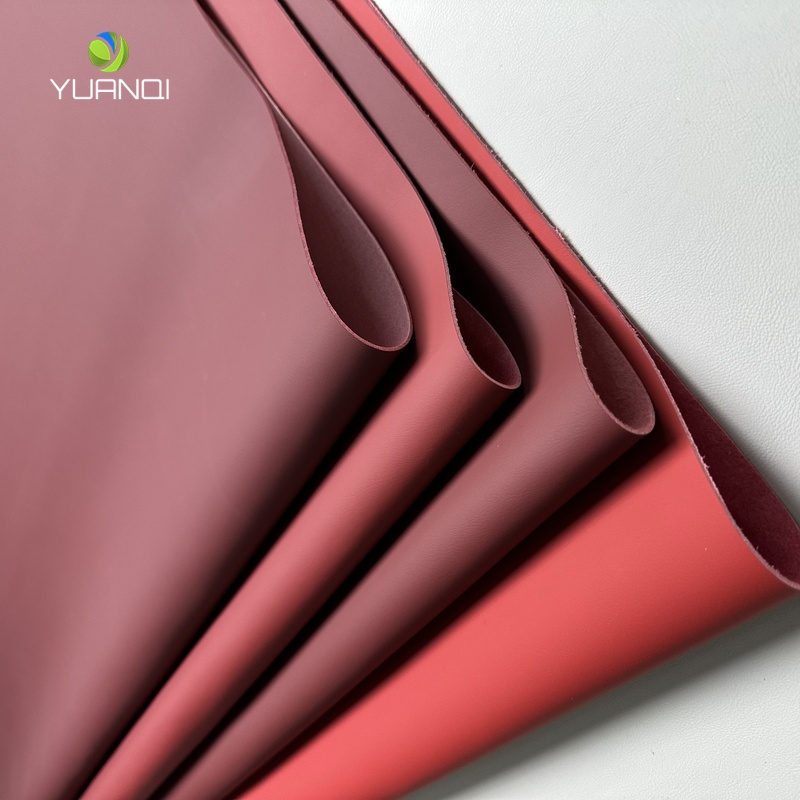
Automotive interior leather is available in different grades and material options.
Economy Solutions
Suitable for customers who prioritize affordability and practicality.
The focus is generally on:
Basic durability
Daily usability
Cost efficiency
Common colors and textures
Mid-Range Solutions
Designed for customers looking for a balance between quality, appearance, and price.
Key considerations include:
Soft touch
Surface texture
Wear resistance
Color performance
Long-term usability
Premium Customization
Suitable for premium vehicles, business vehicles, and customers seeking highly personalized interiors.
Greater attention can be given to:
Material texture
Refined stitching
Two-tone combinations
Customized patterns
Overall visual consistency
Personalized details
There is therefore no single interior solution for every customer. Different material grades can be matched to different requirements.
4. Why Are Two-Tone Designs and Custom Stitching Becoming Popular?
Traditional single-color interiors remain popular, but more customers are looking for personalized combinations.
Popular combinations can include:
Black + Red
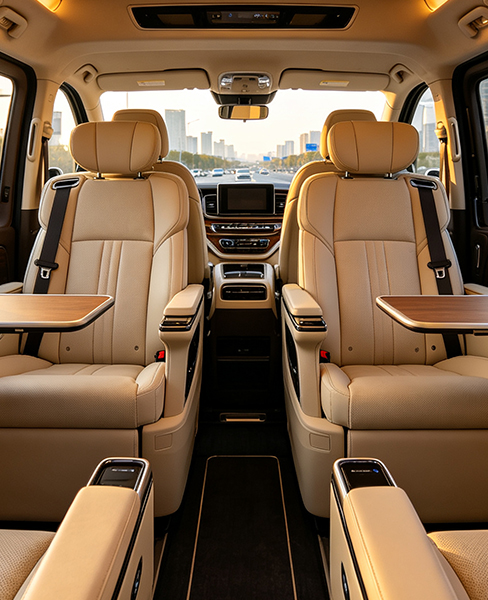
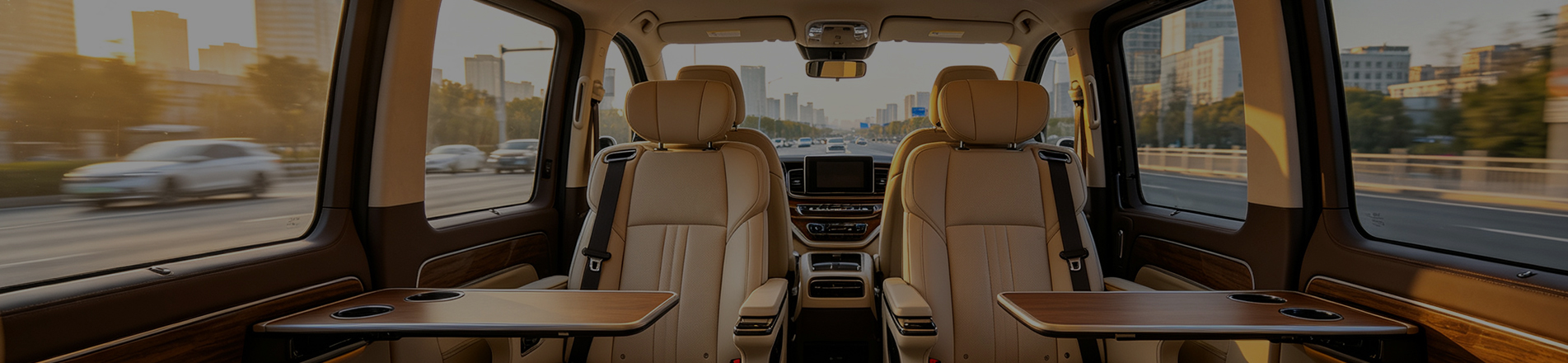
Black + Beige
Black + Orange
Dark Gray + Black
Brown + Black
Stitching can also be used to highlight seat contours and design details.
For example, black leather with red stitching can create a more sporty appearance.
Meanwhile, beige leather with dark brown details can create a warmer and more sophisticated visual effect.
5. Airbag-Compatible Construction Is Also Important
Interior customization should not focus on appearance alone.
For seats equipped with side airbags, the upholstery structure around the airbag area requires special consideration.
Professional seat upholstery can incorporate airbag-compatible weak-seam construction in designated areas according to the vehicle structure and upholstery requirements.
Important considerations include:
Airbag location
Original seat structure
Stitching position
Weak-seam construction
Leather panel design
The goal is to combine a refreshed appearance with appropriate consideration of the vehicle's original functional design.
6. Who Can Benefit From a Full-Car Interior Upgrade?
Full-car leather upgrades are not limited to luxury vehicles.
They can be suitable for:
① Everyday Vehicle Owners
Owners can refresh an aging cabin while continuing to use a mechanically reliable vehicle.
② Used-Car Owners
Interior refurbishment can improve the overall visual condition of a vehicle.
③ Automotive Detailing and Modification Shops
Interior customization can provide additional services for customers.
④ Automotive Dealers
Customized interiors can help create differentiated vehicle packages.
⑤ Business Vehicle Owners
More refined interior designs can create a professional and comfortable cabin environment.
⑥ Automotive Enthusiasts
Owners can create a cabin based on their preferred colors, materials, and design concepts.
Conclusion
A vehicle can stay with its owner for many years, while the interior is experienced every day.
When the original vehicle still meets the owner's driving needs, a professional full-car interior leather upgrade can introduce new materials, colors, stitching, and design details to create a completely refreshed cabin.
The future of automotive interiors may not simply be about replacing old materials—it may be about creating a space that is truly customized for the person behind the wheel.




 Get A Quote