Introduction
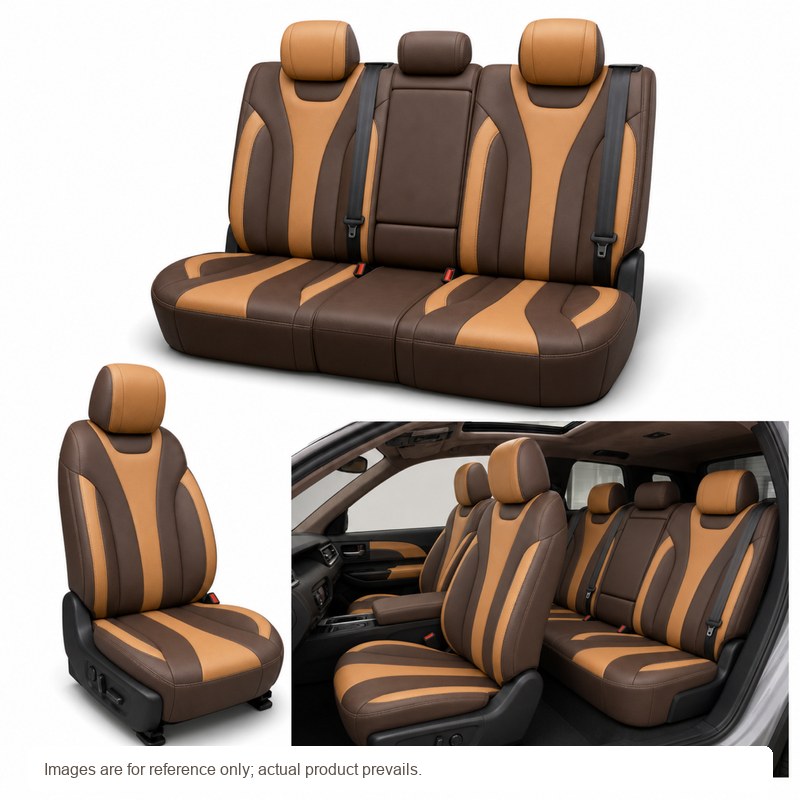
Upgrading to aftermarket custom seats is one of the most popular interior modifications for pickup trucks and SUVs across the globe. Many car owners focus only on appearance when selecting replacement seats, ignoring core factors including fitment, material quality, built‑in functions and installation requirements. Poor matching may lead to uncomfortable sitting, abnormal noise, safety risks and extra modification costs.
This article walks you through everything you need to know about aftermarket custom seats, helping you make informed purchase decisions for your vehicle interior upgrade.
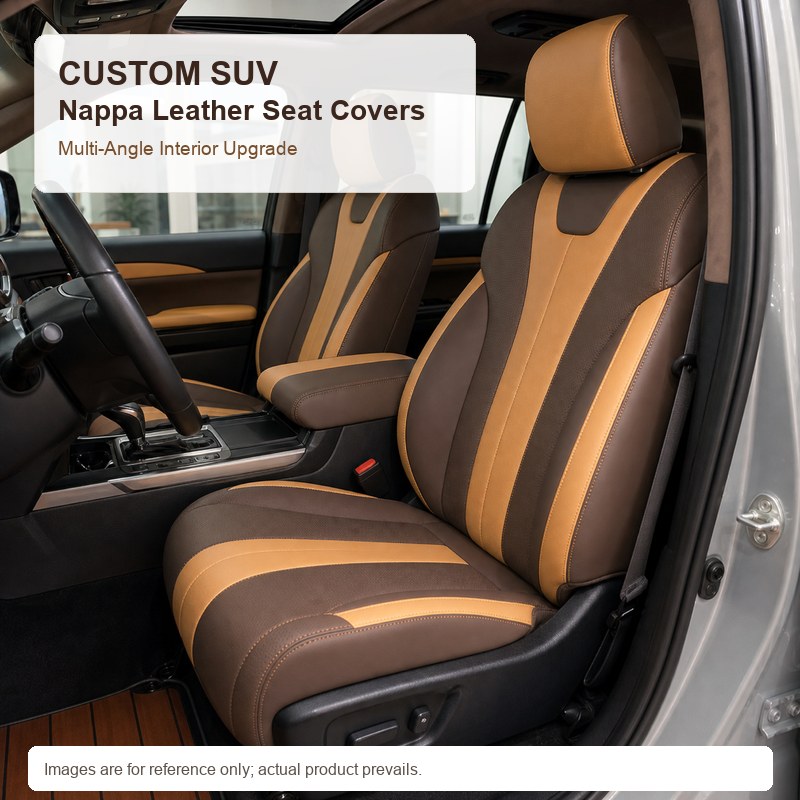
Fitment always comes first when choosing aftermarket custom seats. Even the most comfortable seat will bring bad experience if it cannot fit your cab correctly.
There are two main mounting solutions: vehicle‑specific brackets and universal brackets.
- Vehicle‑specific brackets: Developed according to original car floor structure and mounting hole positions. Seats can be directly installed, no large‑scale cutting, welding or drilling. It keeps original vehicle safety structure intact and avoids abnormal rattling after installation. Pay attention to regional versions: many global pickup models have different cab structures between global‑spec and North‑American variants, brackets are not interchangeable. Always double‑check your vehicle specification before ordering.
- Universal brackets: Fit multiple car models. They often require cutting, bending or drilling during installation. Improper modification may affect seat stability. Not recommended for pickup off‑road usage.
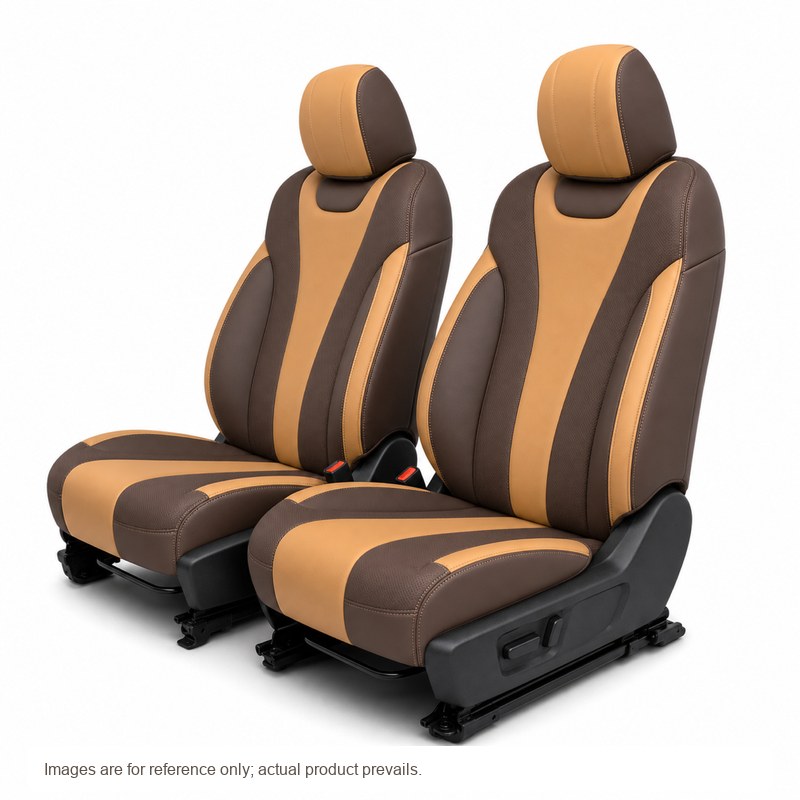
2. Core Material Selection: Surface Leather & Inner Foam
Material directly decides seating comfort, wear resistance and service life, mainly divided into surface upholstery and inner foam padding.
Surface Material
- Premium Nappa Leather: Soft texture, delicate touch, good breathability. High‑grade option for pickup interior upgrade. Requires regular maintenance against aging.
- Durable PU Leather: Cost‑effective, scratch‑resistant, easy to clean. Suitable for daily and off‑road scenarios.
- Fabric upholstery: Great breathability, anti‑slip performance. Less popular for high‑end aftermarket modification.
Inner Foam Padding
High‑density resilient foam is essential. Low‑density foam will collapse after long‑time use, causing hip and back soreness. Good foam maintains support after thousands of kilometres of long‑distance driving and bumpy off‑road conditions.
3. Optional Built‑in Functions for Aftermarket Seats
Modern custom electric seats integrate multiple practical functions. Clarify your actual demands before purchase.
- Multi‑direction electric adjustment: Slide, backrest tilt, cushion height, electric lumbar support. Adapt for drivers with different height and body shapes.
- Heating function: Constant‑temperature heating brings warmth for cold‑climate driving, with over‑heat protection for safety.
- Ventilation function: Accelerate air circulation, reduce sweat and stickiness in hot summer.
- Multi‑mode massage: Multiple intensity massage relieves muscle fatigue during long‑distance driving.
- Reinforced side bolsters: Firmly hold human body when cornering and off‑road driving, specially recommended for pickup 4×4 users.
Notice: Some functions are optional upgrades, not standard configuration. Confirm function list before placing order.
4. Installation Standards & Safety Notes
Custom electric seats involve mechanical assembly and electric wiring. Installation quality greatly affects safety and service life.
- Seek professional auto‑interior technician installation. Do not install without relevant experience.
- Check original airbag mounting position is reserved. Confirm wiring compatibility with your vehicle.
- Wire harness should be fixed neatly, avoid squeezing or friction which may cause circuit failure.
- After installation, test all electric functions: sliding, tilting, heating, ventilation and massage. Check for seat shake or abnormal noise.
- Keep manufacturer installation instructions for later maintenance reference.
5. After‑sales Maintenance & Warranty Reminders
- Clean leather surface with mild special leather cleaner; avoid strong chemical solvent.
- Core electric components (motors, wiring harnesses) normally come with limited manufacturer warranty. Man‑made damage and normal wear‑and‑tear are not covered.
- Contact supplier for original spare parts if motors or switches need replacement.
Conclusion
Aftermarket custom seats are not only about visual upgrade. Correct fitment, reliable material, suitable functions and standard installation together decide your long‑term driving comfort and safety. Fully evaluate your pickup or SUV usage scenarios before buying, and you can get satisfying interior modification results.





 Get A Quote