Leave A Message
If you are interested in our products and want to know more details,please leave a message here,we will reply you as soon as we can.


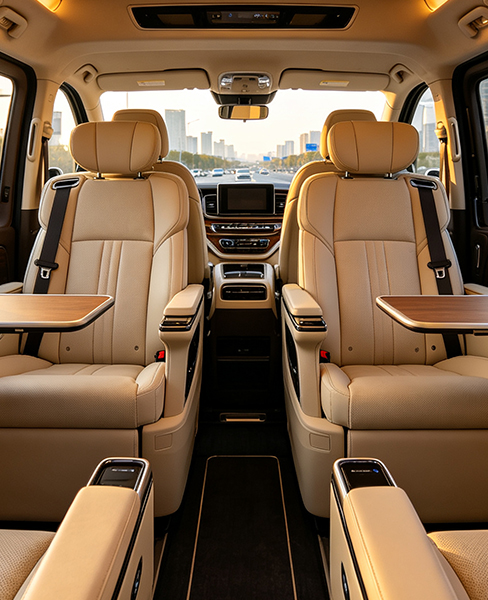
What would you do if your vehicle still performs well mechanically, but the seats are worn, the steering wheel is aging, the door panels show signs of use, and the original interior no longer matches your taste?
Would you replace the vehicle—or give it a completely new interior?
Today, full-car leather interior customization is becoming an increasingly discussed service in the automotive aftermarket.
Unlike traditional local repairs, a complete interior upgrade is not simply about fixing damaged areas. It focuses on the cabin as a whole, including materials, colors, stitching, textures, comfort, and personalized design.
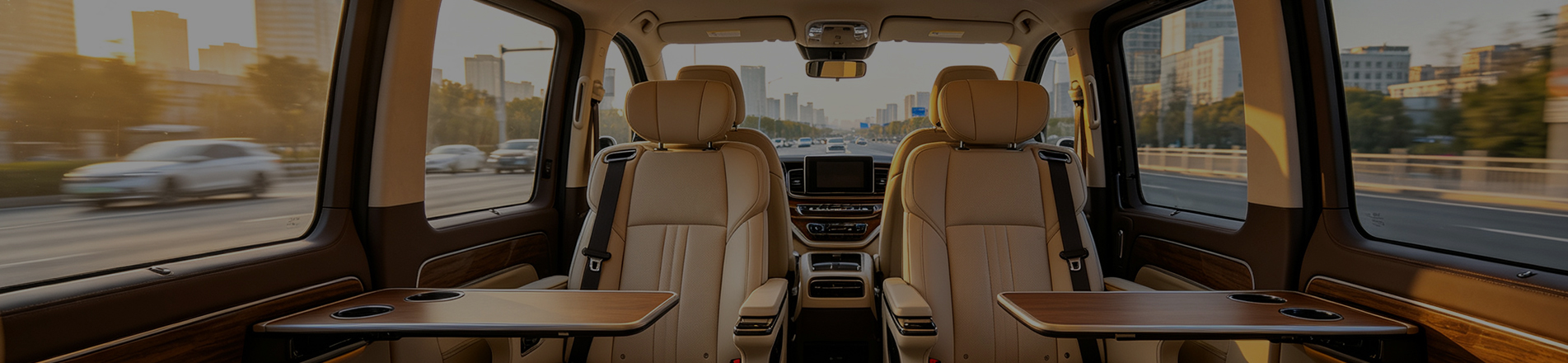
Vehicles often stay with their owners for many years, while the interior is exposed to daily use.
Common signs of aging include:
For vehicles that still provide reliable everyday performance, replacing the entire vehicle simply because of interior aging may not be the only option.
This has helped create growing interest in interior refurbishment and customization.
Traditional interior repair usually focuses on individual damaged areas.
For example:
Damaged seat → Replace the seat upholstery
Worn steering wheel → Rewrap the steering wheel
Damaged armrest → Replace the material
Today's customers, however, are increasingly asking:
“If I am going to replace it, why not customize it to my own style?”
This is one reason interior upgrading is evolving from basic repair toward personalized customization.
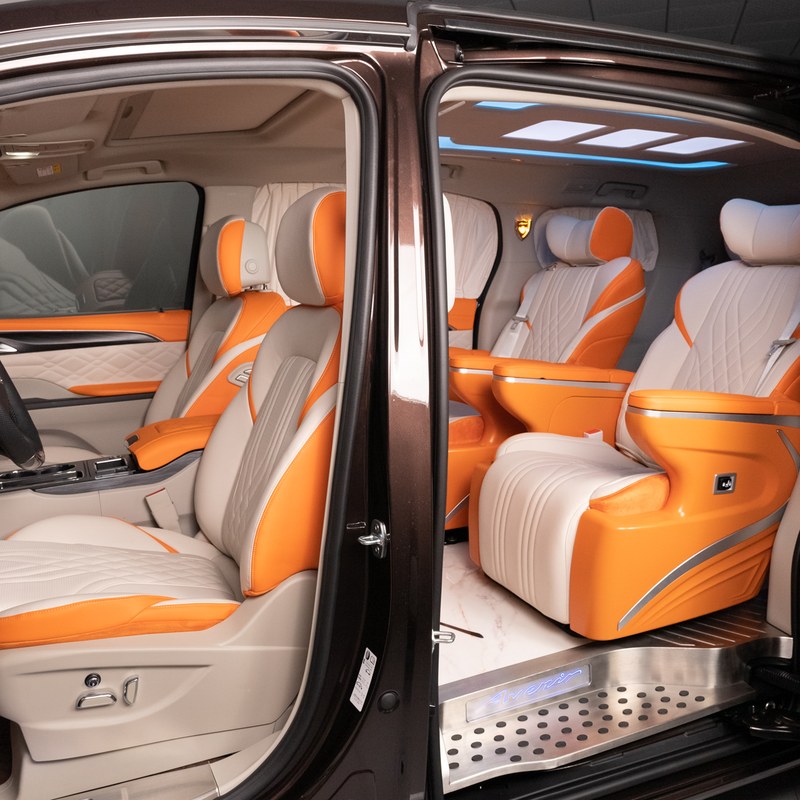
Seats, door panels, armrests, dashboards, and steering wheels can be considered as part of one overall design concept.
Depending on the vehicle, budget, and market positioning, customers can consider:
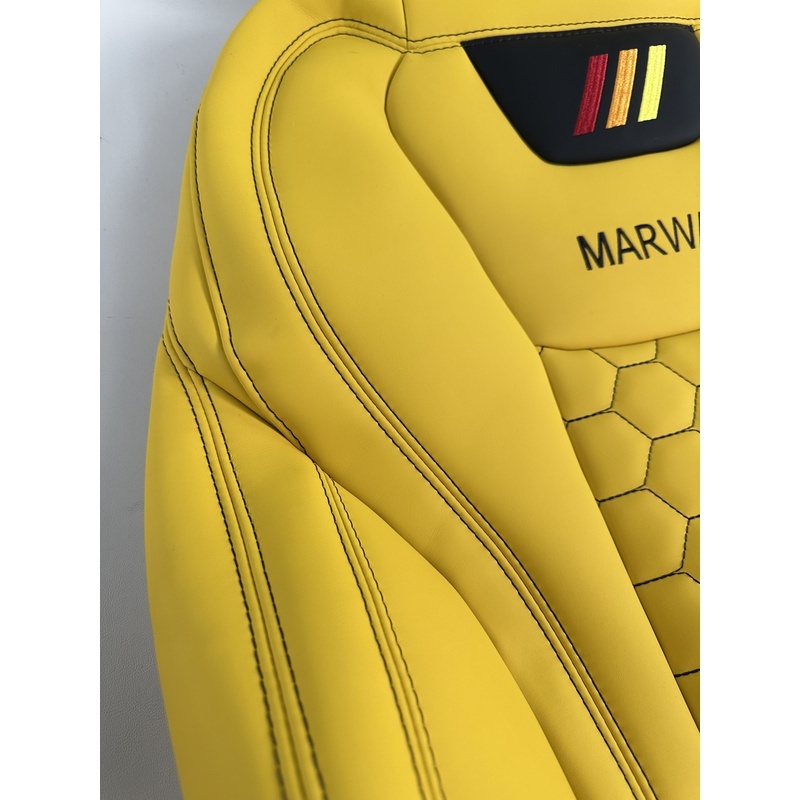
Stitching may seem like a small detail, but it can significantly change the visual appearance of seats.
Different stitching colors, patterns, and configurations can be incorporated into the overall design.
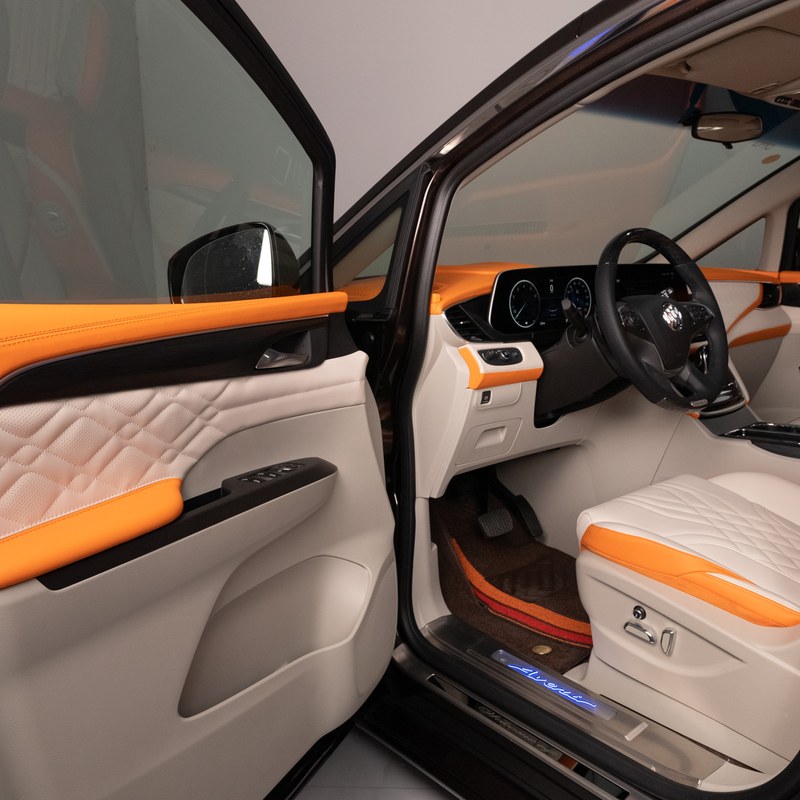
Imagine installing brand-new seats into a vehicle while the door panels, armrests, and steering wheel remain visibly aged.
The seats may look new, but the overall cabin may still lack consistency.
A complete interior upgrade can coordinate:
Seats + Door Panels + Armrests + Dashboard + Steering Wheel
through matching colors, materials, textures, and stitching.
This creates a more unified interior design and is one reason “Full Interior Customization” is becoming an important concept in the automotive aftermarket.
Automotive upholstery is not simply decorative. It is part of a functional environment used every day.
Material selection should therefore consider:
Wear Resistance
Seats experience frequent friction and require materials suitable for long-term automotive use.
Soft Touch
Drivers and passengers spend significant time in contact with the seats, making tactile comfort an important consideration.
Surface Stability
Automotive materials should be selected with everyday temperature changes and repeated use in mind.
Easy Maintenance
For family vehicles, business cars, and frequently used vehicles, convenient cleaning and maintenance are also important.
A successful interior upgrade should therefore balance appearance, comfort, durability, and practical usability.
A premium-looking interior is not the only goal.
For seats equipped with side airbags, the upholstery design around designated airbag areas needs to take the original seat structure into consideration.
An appropriate airbag-compatible weak-seam construction can be incorporated in designated areas to support the original functional design of the seat.
Professional interior customization therefore requires attention to both appearance and functional areas.
The potential customer base goes far beyond individual car owners.
For B2B customers:
Automotive detailing shops can add leather upholstery upgrade services.
Modification shops can offer complete interior customization packages.
Used-car dealers can refresh vehicle interiors before displaying or selling vehicles.
Automotive interior suppliers can provide materials, customized components, and complete solutions to customers in different markets.
This means full-car leather customization is gradually developing from a single product requirement into a broader automotive interior customization service market.
Automotive interiors were traditionally designed around standardization.
The same model typically came with very similar interior configurations.
Today, however, more consumers are interested in creating interiors that reflect their own preferences.
They want:
From this perspective, full-car leather customization is no longer simply about replacing old upholstery.
It is becoming a way to redefine the interior space of a vehicle.
When a vehicle still performs well on the road, perhaps what it needs is not replacement, but reinvention.
From old upholstery to new materials, from standardized interiors to personalized designs, automotive interiors are entering a new era of renewal and customization.


 Get A Quote