Leave A Message
If you are interested in our products and want to know more details,please leave a message here,we will reply you as soon as we can.


Industry News | Automotive Interior
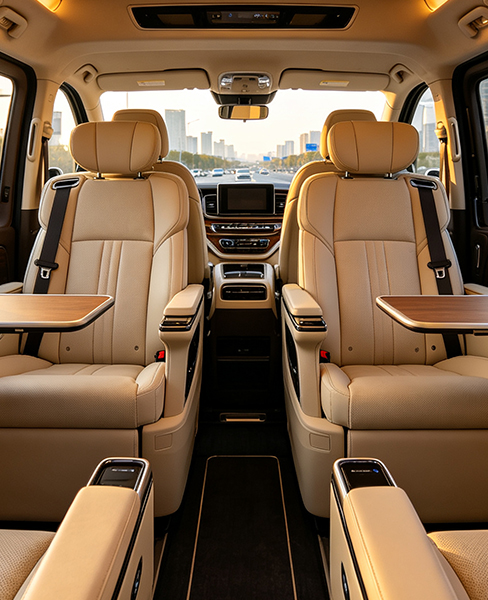
As vehicles remain in use for longer periods, automotive interiors are becoming an increasingly important area for vehicle owners looking to improve their driving experience.
Instead of focusing only on a “luxury appearance,” today's interior upgrade needs are increasingly centered around surface feel, durability, comfort, functionality, and personalized design.
Against this background, automotive seat leather upgrading is gradually evolving from traditional “repair work” into a more comprehensive form of interior customization.
Automotive seats are among the most frequently used components inside a vehicle.
Repeated entry and exit can cause friction around seat edges, while prolonged seating, sunlight exposure, cleaning, and everyday use can gradually affect the leather surface. After years of use, seats may develop abrasion, fading, cracking, or a noticeable loss of surface quality.
In the past, many vehicle owners considered refurbishment only after serious damage had appeared.
Today, some owners choose to upgrade the leather while the original seat structure is still in good condition, replacing worn upholstery and giving the interior a refreshed appearance and feel.
This reflects a broader shift:
Automotive seat leather upgrading is moving from a simple repair requirement toward a quality and experience upgrade.
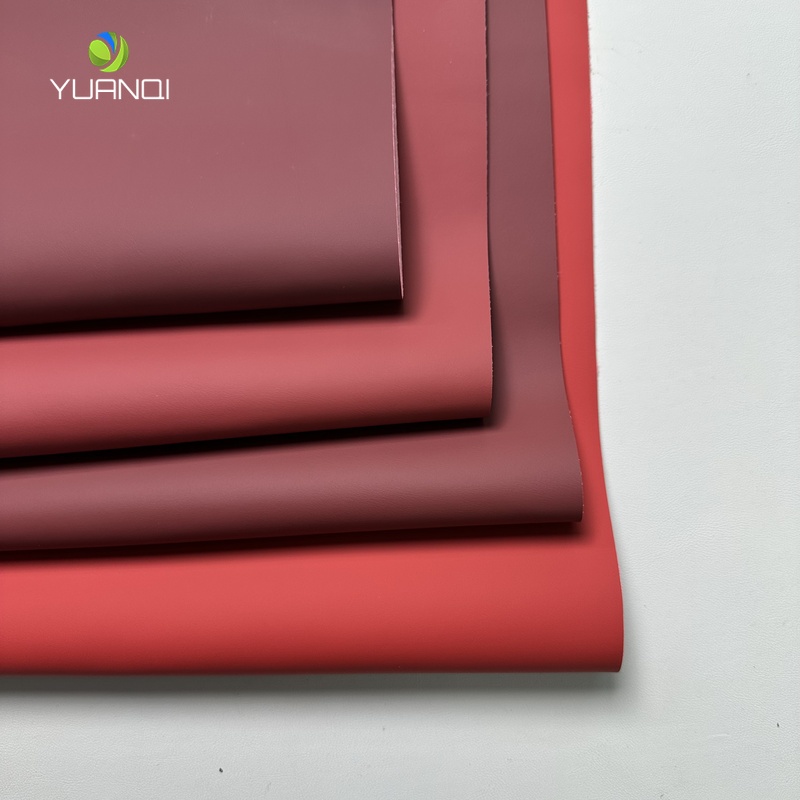
The automotive interior material market has become increasingly diverse, and consumers are looking beyond whether a material is simply described as “leather.”
Automotive seat materials need to withstand friction, repeated bending, pressure, temperature changes, and long-term daily use.
As a result, material selection increasingly involves factors such as:
For business vehicles, MPVs, and frequently used vehicles, durability and easy maintenance may be more important than simply pursuing a luxurious appearance.
For VIP transportation and customized vehicles, however, texture, color, touch, and overall design may play a larger role.
The future of automotive leather selection may be less about choosing the most expensive material and more about choosing the right material for the right application.
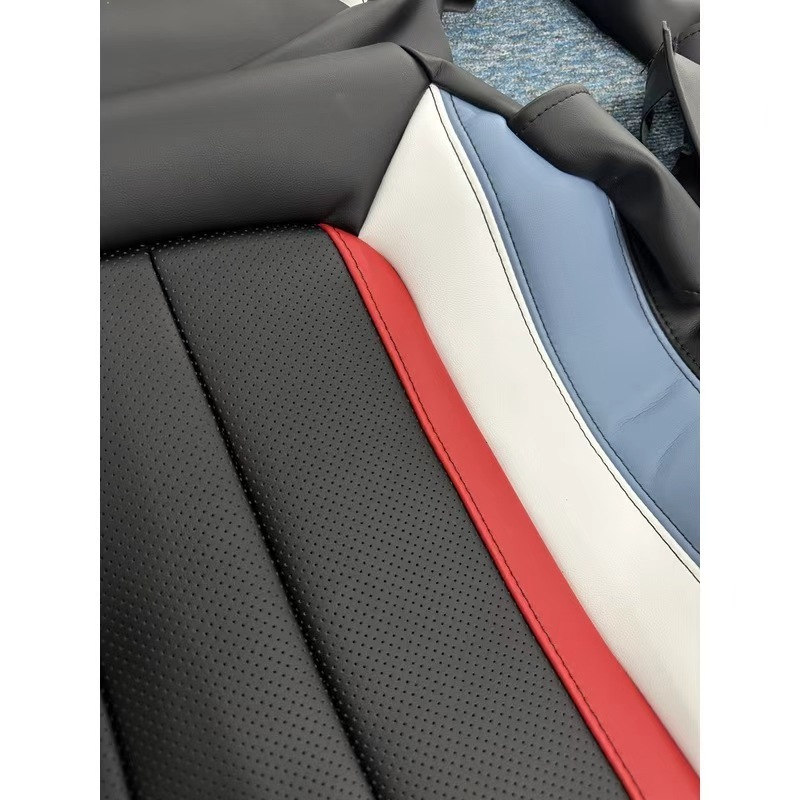
Leather itself is only one part of a professional seat upgrade.
Cutting, panel matching, stitching, and final upholstery fitting can all influence the appearance and long-term performance of a seat.
Areas around seat edges, backrests, and frequently contacted sections can be particularly sensitive to cutting accuracy and stitching quality.
Consumers are also paying greater attention to details that were once easily overlooked:
Are the stitches consistent?
Is the leather surface smooth?
Are the panels positioned naturally?
Does the finished upholstery properly fit the original seat?
These details can make the difference between a basic leather replacement and a professionally customized automotive interior.
As consumers become more aware of vehicle safety, automotive interior upgrades cannot focus only on appearance and color.
Some vehicles are equipped with side airbags integrated into or around the seats. When the original upholstery is removed and replaced, the original seat structure and designated airbag areas therefore need to be taken into consideration.
A professional seat upgrade should be developed according to the specific vehicle and seat structure rather than simply covering the entire seat with a universal protective cover.
For vehicles equipped with side airbags, particular attention needs to be given to the relevant seam and upholstery construction.
The first principle of an automotive interior upgrade should be to respect the vehicle's original functions and safety design.
Business vehicles and MPVs represent an important application area for automotive interior upgrading.
Compared with many private vehicles, business vehicles may experience more frequent passenger use and longer operating hours.
At the same time, their seats contribute directly to the overall image of the vehicle.
For corporate transportation, business reception, and VIP vehicles, passengers immediately interact with the seats, door panels, and other interior surfaces when entering the vehicle.
Therefore, a professional business-vehicle seat upgrade is not simply about changing color. It is about finding an appropriate balance between:
Comfort + Materials + Durability + Design + Safety + Personalization
A noticeable change is taking place in automotive interior upgrading:
Consumers are increasingly looking for more than simply restoring the original appearance.
In the past, the process was often:
“The original leather is worn, so replace it.”
Today, the idea can be closer to:
“The original interior no longer meets my needs, so I want to redesign it.”
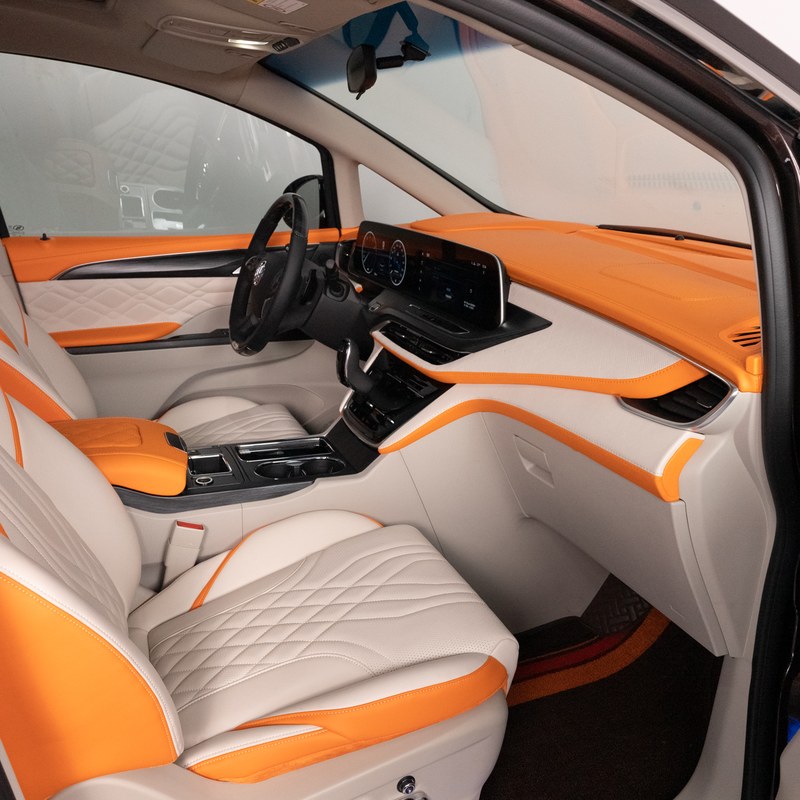
Two-tone leather, contrasting stitching, perforated sections, different textures, and customized color combinations allow the seat to become more than a functional component.
It can also become an important part of a vehicle's individual character.
As a result, automotive interior leather upgrading is gradually expanding from traditional repair services toward customization and personalization.
The next stage of automotive interior upgrading may not simply be about asking:
“Which leather is more expensive?”
Instead, consumers may increasingly ask:
Is this material suitable for my vehicle?
Is it suitable for my driving environment?
Will it withstand daily use?
How does it feel?
How will it look after years of use?
This creates new opportunities and challenges for automotive interior manufacturers and upgrade specialists.
The focus is gradually moving beyond material pricing toward a combination of:
Material Quality + Manufacturing Process + Vehicle Fitment + Customization + Service
A seat may be only one part of the automotive interior, but it is also one of the components that drivers and passengers physically interact with every day.
As consumers pay greater attention to how an interior actually feels—not just how it looks—automotive interior leather upgrading is entering a new era focused on


 Get A Quote